

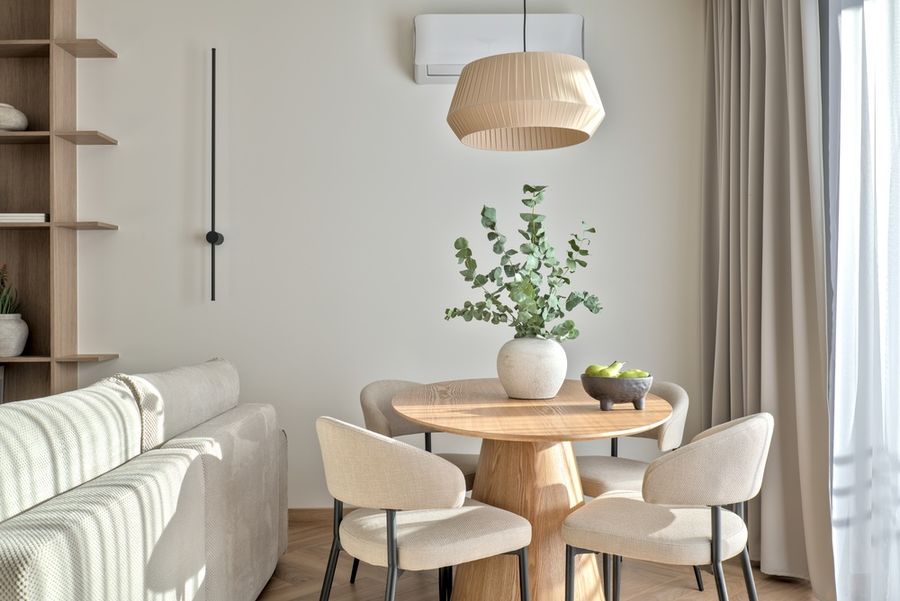
A dark room can feel smaller, heavier, and less inviting than you’d like, even when the space is otherwise comfortable. Fortunately, bringing in more light doesn’t have to mean replacing windows or knocking down walls. Small changes in color, furniture placement, window treatments, and decor can make a noticeable difference. A few thoughtful updates can help natural and artificial light travel farther, soften shadowy corners, and give your home a fresher, more open feeling without a major project.
Add Mirrors to Bounce Light Around the Room
Mirrors are one of the simplest ways to make a room feel brighter because they reflect both natural and artificial light. Try placing a mirror across from or near a window where it can catch incoming daylight and send it farther into the room. A large mirror can make an especially noticeable difference in a small or dim space.
You don’t have to rely on one oversized piece either. A collection of smaller mirrors, mirrored decor, or furniture with reflective details can produce a similar effect. Pay attention to what the mirror reflects before hanging it. A mirror facing a bright window, lamp, or open area will usually do more for the room than one facing a dark wall. Good placement can add brightness while also making the space feel larger.
Choose Lighter Paint Colors
Wall color has a major influence on how bright a room feels. Dark shades can absorb more light, while pale colors tend to reflect it around the space. Soft whites, warm creams, light grays, pale beige, and gentle pastels can all help create a brighter backdrop without making a room feel stark or cold.
Before choosing a color, test several samples on different walls. Paint can look very different depending on the direction of the windows and the type of lighting in the room. A white that looks crisp in one space may appear dull or yellow in another. You can also use a slightly lighter color on the ceiling to draw the eye upward and create a more open feeling. Small paint changes can have a surprisingly large visual impact.
Switch to Light-Filtering Window Treatments
Heavy curtains can make a room feel cozy, but they may also block more daylight than you realize. Replacing thick panels with light-filtering shades, sheer curtains, or lightweight fabric can allow more natural light to enter while still providing some privacy. Look for materials that soften sunlight rather than stopping it completely.
How you hang your curtains matters too. Mount the curtain rod slightly above and wider than the window frame so the panels can sit mostly beside the glass when open. That allows more of the window to remain uncovered during the day. If privacy isn’t a concern in certain rooms, consider using minimal treatments or leaving part of the window exposed. Allowing as much daylight as possible to reach the room can instantly make the space feel lighter.
Use Reflective and Glossy Surfaces
Mirrors aren’t the only materials that can help move light around a room. Glass, polished metal, glossy tile, and other reflective finishes can catch light and create subtle highlights throughout the space. A glass coffee table, metallic lamp base, shiny backsplash, or decorative tray can add brightness without requiring a dramatic design change.
You don’t need every surface to shine. Too many glossy finishes can make a room feel busy, so mix them with softer textures such as wood, fabric, or woven materials. Even a few carefully chosen reflective accents can help. Think about places where light naturally lands during the day and add a polished surface nearby. Those small reflections can brighten darker areas while adding a little extra visual interest to the room.
Rearrange Furniture That Blocks Natural Light
Sometimes a room feels dark simply because furniture is standing in the way of the available light. Large bookcases, tall plants, sofas, or bulky chairs placed close to windows can prevent daylight from spreading into the room. Take a look at your layout and see whether anything could be moved without disrupting how you use the space.
Try keeping the area directly around windows as open as possible. Lower furniture often works well near windows because it lets light pass over the top. You can also avoid placing tall pieces where they cast large shadows across the room. Rearranging doesn’t cost anything, and even moving one or two pieces may make the room feel more open. A layout that gives daylight a clear path can help the entire space feel noticeably brighter.
Layer Your Lighting Instead of Relying on One Fixture
A single ceiling light often leaves corners and work areas feeling dim. Layering several sources of light can create a more balanced effect throughout the room. Use a combination of overhead lighting, floor lamps, table lamps, wall lights, or task lighting so you can brighten different areas as needed.
Pay attention to where shadows tend to collect. A floor lamp in a dark corner or a small table lamp on a sideboard can make the whole room feel warmer and more inviting. Choosing bulbs that provide enough brightness for the space also matters. You can even use dimmers or smart bulbs if you want more control throughout the day. Spreading light across several levels helps avoid harsh contrast and can make the room feel brighter overall.
Let Small Changes Bring in More Light
Making your home feel brighter doesn’t have to involve a major renovation or a large decorating budget. Start by looking at the light you already have and finding ways to help it travel farther. Mirrors, lighter walls, airy window treatments, reflective accents, and a better furniture layout can all contribute to a more open feeling.
You can make changes one room at a time and see what has the biggest effect. Add another lamp, uncover more of a window, move a tall piece of furniture, or try a lighter paint sample. A collection of small improvements can give even a darker room a fresher, lighter, and more welcoming atmosphere.