

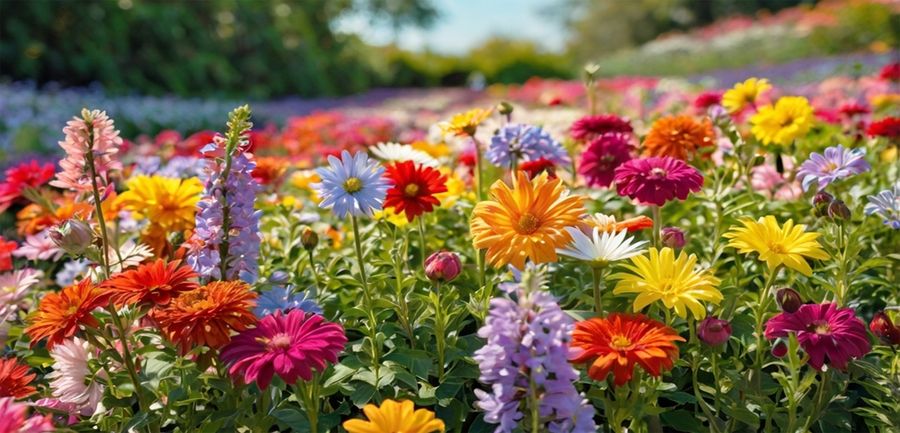
A garden can look beautiful in spring and still feel surprisingly empty a few months later. The key is planning for change instead of focusing on a single season. Flowers may fade, leaves may drop, and different plants will take turns becoming the main attraction. By mixing bloom times, foliage, structure, color, and texture, you can create a landscape that always has something interesting going on. A little advance planning can help your garden feel balanced and inviting from one season to the next.
Start With Plants That Provide Year-Round Structure
A strong garden usually needs more than flowers. Trees, shrubs, evergreens, hedges, and ornamental grasses can create a framework that remains visible even when seasonal blooms disappear. Start by choosing a few structural plants that fit the size of your space and the growing conditions in your yard.
Think about where those plants will sit once everything else dies back. An evergreen shrub beside a walkway, a small tree near a seating area, or a row of grasses along a border can keep the garden from looking bare in colder months. You don’t need to fill every space with permanent greenery. A few well-placed plants can create enough shape and height to make the garden feel intentional throughout the year.
Choose Plants With Different Bloom Times
If every flowering plant peaks at once, your garden may look spectacular for a few weeks and quiet for the rest of the year. Spread out the color by choosing plants that bloom at different times. Look for early spring flowers, summer performers, late-season bloomers, and anything that can add interest as temperatures begin to cool.
Keep a simple calendar while planning so you can see where the gaps are. If most of your choices bloom in May and June, add plants that flower later in summer or into fall. You can also layer bulbs, perennials, and annuals so one group starts flowering as another fades. Staggering bloom times helps the garden change gradually instead of going from colorful to empty all at once.
Make Foliage Part of the Design
Flowers get a lot of attention, but leaves often last much longer. Plants with interesting foliage can carry a garden through the weeks when fewer blooms are available. Look for differences in color, shape, and size, such as silvery leaves, deep green foliage, burgundy tones, broad leaves, or delicate textures.
Try mixing foliage rather than planting a large area with plants that all look the same. A fine-textured grass beside a broad-leaf plant can create contrast even when neither one is flowering. Some plants also change color in fall, adding another layer of seasonal interest. When you treat foliage as part of the design instead of a background for flowers, the garden can remain visually interesting for much more of the year.
Add Plants That Shine in Fall and Winter
Spring and summer are often the easiest seasons to plan for, so fall and winter deserve extra attention. Choose plants that offer autumn color, berries, seed heads, colorful bark, or attractive branches after the growing season ends. Even faded flowers can add texture if you leave some seed heads standing rather than cutting everything back immediately.
Evergreens are useful in winter, but they aren’t your only option. Red or golden stems, ornamental grasses, sculptural branches, and dried flower heads can all add character to a quieter landscape. Think about what you’ll see from windows and walkways during colder months. Placing winter-interest plants where you’ll notice them most can keep your garden feeling alive even when fewer plants are actively growing.
Repeat Colors and Shapes Throughout the Garden
Repeating certain plants, colors, or shapes can make a garden feel connected as it changes through the seasons. You might use the same evergreen shrub in several areas, repeat a favorite flower color, or place similar ornamental grasses along different parts of a border. Repetition gives the eye something familiar to follow.
You don’t need perfect symmetry. The goal is simply to avoid creating a collection of unrelated plants. If one area has warm yellow flowers in spring, you might echo that color later with summer blooms or golden fall foliage somewhere nearby. Repeating a few visual elements can help different seasons flow together. It also gives the garden a more planned appearance even when different plants are taking turns being the main attraction.
Plan for the Garden’s Changing Size and Shape
Plants don’t stay the size they were when you bought them. A small shrub may eventually spread several feet, while perennials can widen each year and bulbs may multiply. Check mature sizes before planting so you can leave enough room for growth without creating large empty gaps that last for years.
You can fill temporary spaces with annuals, containers, or fast-growing seasonal plants while permanent choices establish themselves. Also think about how the garden will look when taller plants die back, or trees lose their leaves. A balanced layout should still have some height, texture, and shape remaining. Planning for mature growth and seasonal changes can prevent overcrowding later while helping the garden look intentional at every stage.
Let the Garden Change Without Losing Its Character
A garden that looks good all year won’t look exactly the same every month, and that’s part of its appeal. Spring may bring bulbs and fresh leaves, summer may offer bold flowers, fall can introduce warmer colors, and winter can highlight branches, grasses, and evergreen shapes.
Focus on creating layers of interest rather than trying to keep everything in bloom. Combine reliable structure with changing flowers, foliage, texture, and seasonal color. With thoughtful plant choices and a little patience, your garden can keep offering something worth noticing long after its first spring flowers have faded.