

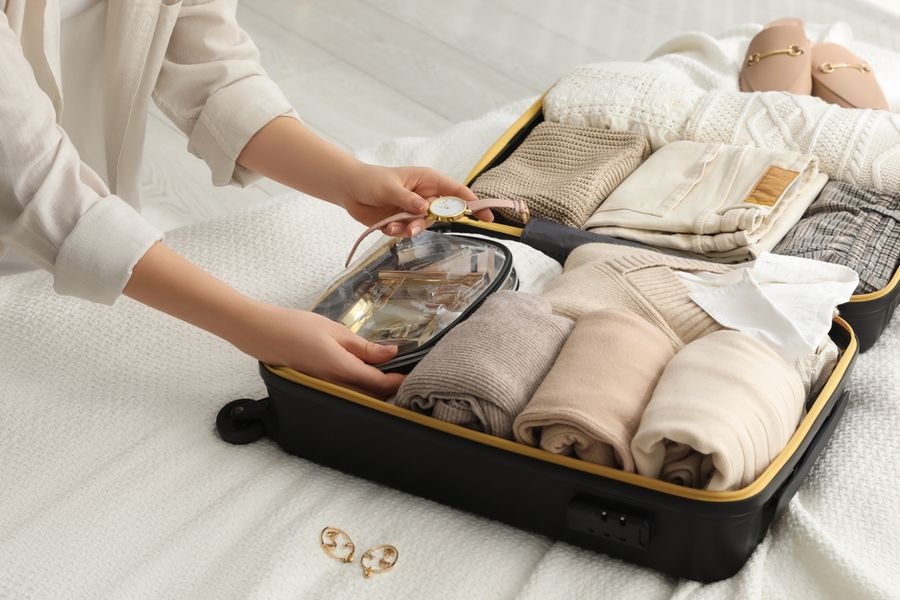
Packing for a trip can quickly turn into a pile of “just in case” items that barely leave room to close the suitcase. It’s easy to overestimate what you’ll wear, pack for situations that never happen, or bring several versions of the same thing. A more thoughtful approach can make traveling lighter without leaving you unprepared. Choosing versatile clothing, planning outfits, and setting limits before you start packing can help you bring what you need while skipping the extra weight.
Start With a Simple Packing List
Making a list before you open your suitcase can help you avoid grabbing items at random. Start with the basics, including clothing, shoes, toiletries, medications, travel documents, electronics, and anything specific to your plans. Then look at the list again and remove anything that doesn’t serve a clear purpose.
Try separating genuine needs from items you’re packing “just in case.” A backup phone charger may make sense, while three extra outfits probably won’t. You can also save a basic travel packing list on your phone and adjust it for different trips. Starting with a plan makes it easier to spot duplicates and unnecessary extras before they reach your bag. Packing from a list can also reduce the chance of forgetting something important while focusing too much on optional items.
Plan Outfits Instead of Packing Individual Pieces
One of the easiest ways to overpack is to choose clothing one item at a time. You may end up with several shirts, pants, and accessories that don’t work well together. Instead, think in complete outfits and decide roughly what you’ll wear each day based on your planned activities.
Look for pieces that can be mixed and matched. A pair of pants that works with three tops gives you more options than clothing that only matches one outfit. Neutral or coordinating colors can make mixing easier, but you don’t have to limit yourself to a plain wardrobe. The goal is simply to make sure most items work with several others. If something only fits one unlikely situation, consider leaving it home. Planning outfits can give you variety without requiring a different set of clothes for every day.
Limit the Number of Shoes You Bring
Shoes can take up a surprising amount of suitcase space, so they’re a good place to cut back. Think about the activities on your itinerary and choose footwear that can handle more than one situation. Comfortable walking shoes may work for sightseeing, travel days, and casual meals, while one additional pair may cover dressier plans or a different type of activity.
Try wearing your bulkiest shoes during travel rather than packing them. Before adding another pair, ask yourself whether you’ll realistically wear it more than once. Shoes that are uncomfortable, hard to match, or intended for a plan that may never happen can usually stay home. You may love having choices in everyday life, but travel rarely requires your entire shoe collection. A smaller selection also makes getting dressed easier once you arrive.
Pack for the Weather You’re Actually Expecting
Trying to prepare for every possible weather condition can fill a suitcase quickly. Check the forecast shortly before your trip and pack around the conditions you’re most likely to encounter. If temperatures may vary, focus on layers rather than several bulky outfits for different scenarios.
A lightweight sweater, jacket, or rain layer can usually cover small weather changes without taking up much room. You can also think about what would be easy to buy or borrow at your destination if something unexpected happens. There’s rarely a need to pack for both a heat wave and a snowstorm unless the forecast or location genuinely calls for it. Packing around realistic conditions helps you avoid carrying clothing you never use while still giving you enough flexibility to stay comfortable.
Use Travel-Size Toiletries and Cut Back on Extras
Toiletries can quietly take up a large part of your luggage, especially when full-size bottles are involved. Transfer products into smaller containers or use travel-size versions when possible. Think about how much shampoo, moisturizer, or other products you’ll realistically use during the trip rather than automatically bringing the entire bottle.
You may also be able to leave certain items behind if your hotel or accommodation provides them. Shampoo, conditioner, soap, hair dryers, and other basics are often available, although it’s worth checking beforehand if something is important to you. Try not to pack every product from your normal bathroom routine simply because you use it at home. Travel is a good time to simplify. Bringing only your everyday essentials can save space while still helping you feel comfortable and prepared.
Leave Some Empty Space in Your Bag
A suitcase doesn’t need to be full when you leave home. Keeping some open space makes packing easier and gives you room for anything you pick up during the trip. It can also reduce the temptation to squeeze in extra items simply because there’s technically still room somewhere in the bag.
Once you’ve packed everything, try removing a few pieces before closing the suitcase. Look for duplicates, rarely used items, or clothing you added without a specific reason. You may be surprised by how little you miss once you arrive. Leaving room can also make repacking less frustrating at the end of the trip, especially when clothing is no longer folded perfectly. A little extra space gives you flexibility and keeps your suitcase from feeling stuffed from the first day.
Travel Lighter Without Feeling Unprepared
Packing less doesn’t mean leaving behind everything that makes a trip comfortable. It means choosing items with a purpose and avoiding extras that are unlikely to leave the suitcase. A thoughtful packing list, versatile outfits, fewer shoes, realistic weather planning, and smaller toiletries can all help keep your luggage manageable.
Give yourself permission to travel without preparing for every possible scenario. Most trips don’t require endless outfit choices or backups for every item you own. Focus on what you know you’ll use, leave a little room for flexibility, and remember that lighter luggage can make airports, hotels, trains, and travel days much easier to manage.